المحاضرة الرابعة: الكائنات مع الدوال (Objects with Functions)
الشرح التفصيلي لجميع شرائح المحاضرة (Slide-by-Slide) مدعوم بشرح الأكواد سطراً بسطر (Line-by-Line Code Explanation)
Slide 4: تمرير الكائنات كمعاملات (Passing Objects to Functions)
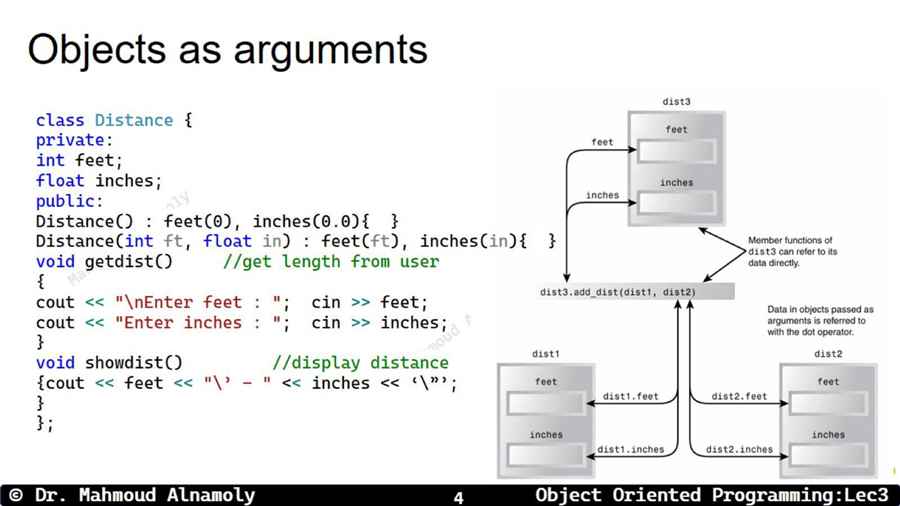
Slide 5: التمرير بالقيمة وتأثيره (Pass by Value Deep Dive)
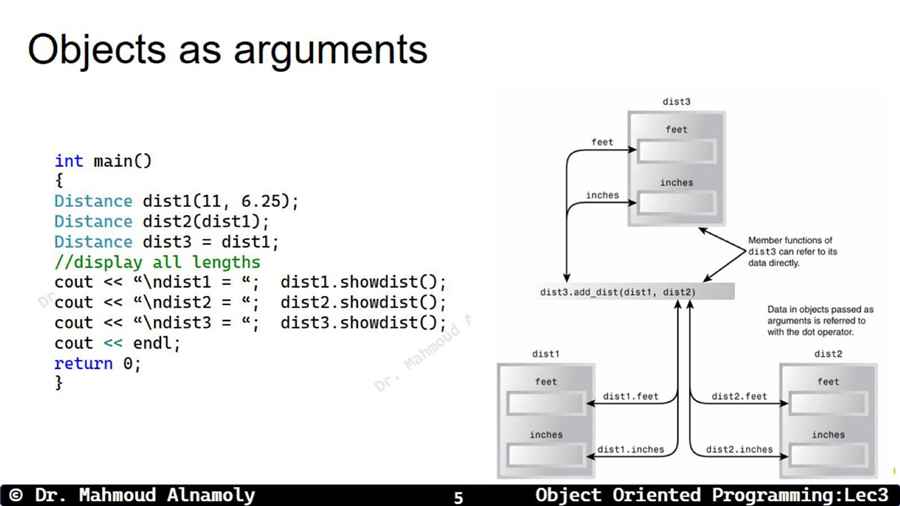
Slide 6: كود التمرير بالقيمة (Pass by Value Example)
Slide 7: تشغيل الكود في الـ Main
Quiz 1: Passing Objects
1. When passing an object to a function by VALUE, which special member function is automatically invoked by the compiler?
2. If a function modifies an object passed to it "by value", does the original object in the `main` function change?
Slide 8: التمرير بالمرجع (Pass by Reference)
Slide 9: كود التمرير بالمرجع (Reference Example Syntax)
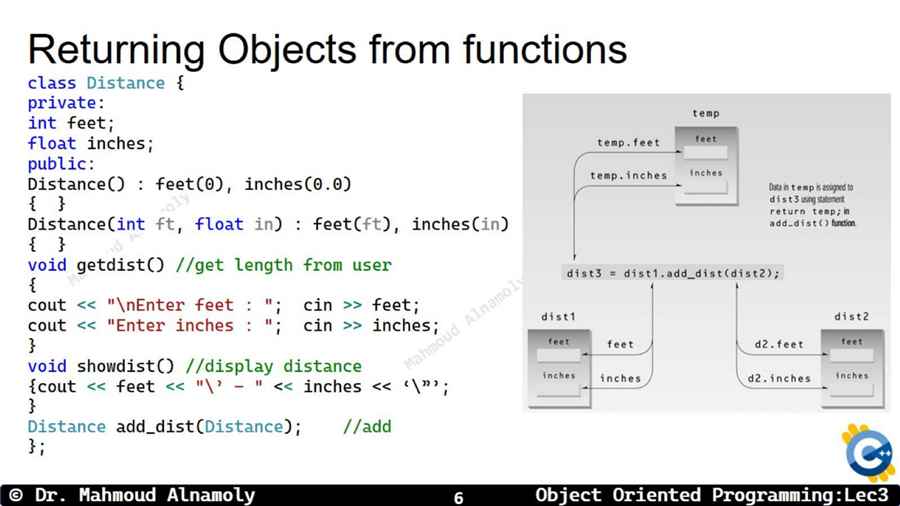
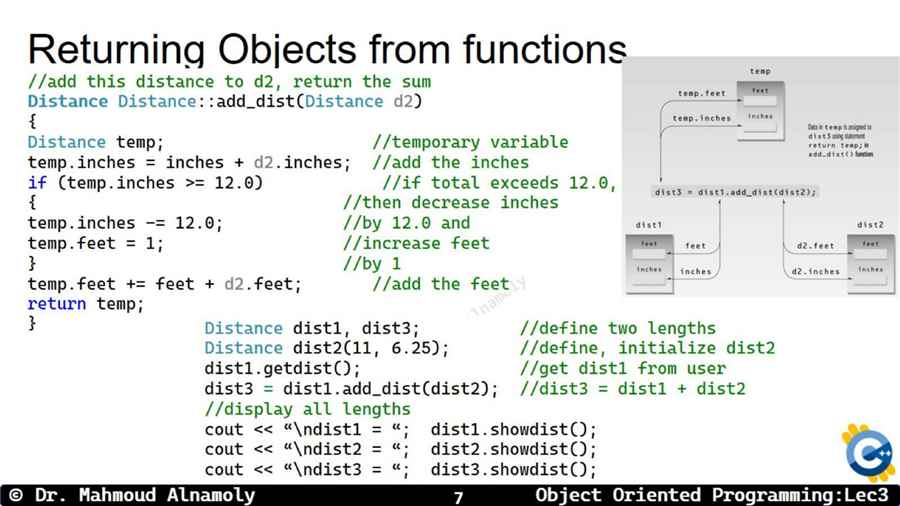
Slide 10: إرجاع الكائنات من الدوال (Returning Objects from Functions)

Slide 11: كود إرجاع الكائن (Return Object Example)
Quiz 2: References & Returns
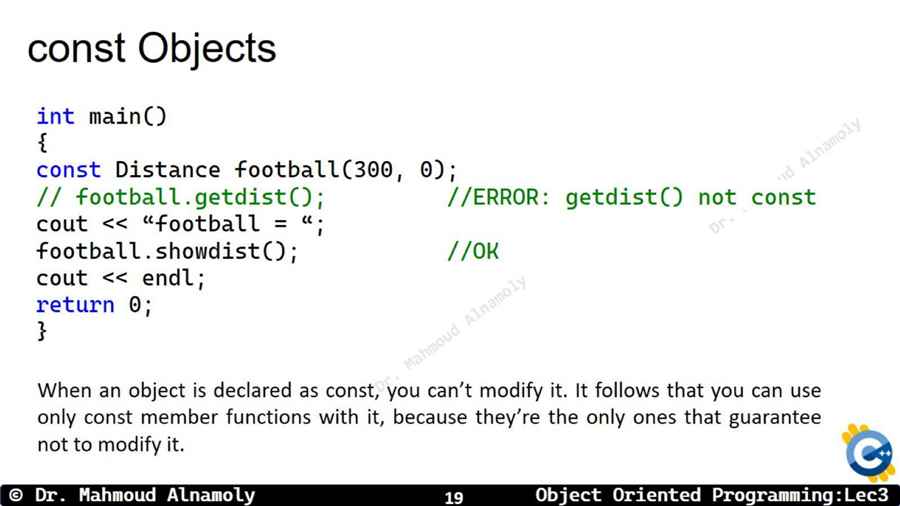
1. Why is it a "Best Practice" to use `const ClassName &obj` when passing an object to a function just to read its values?
2. To return an Object from a method, what must be the return type of that method?
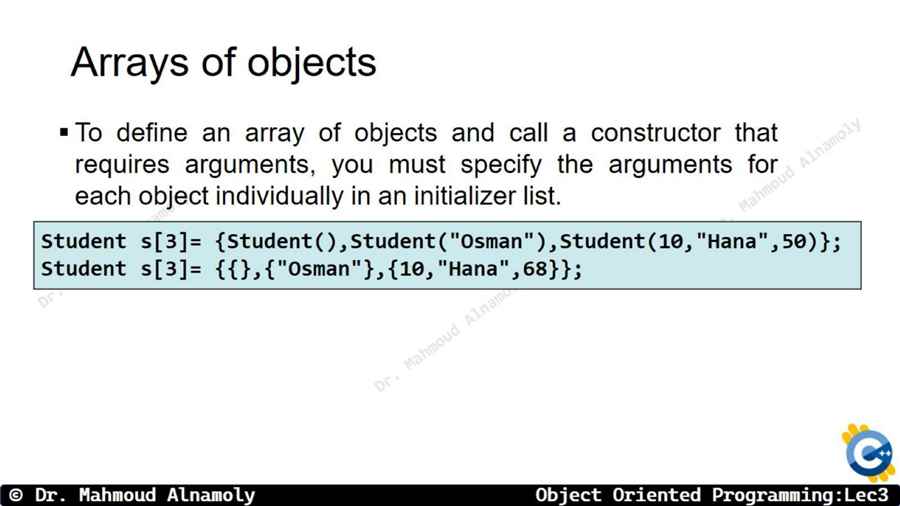
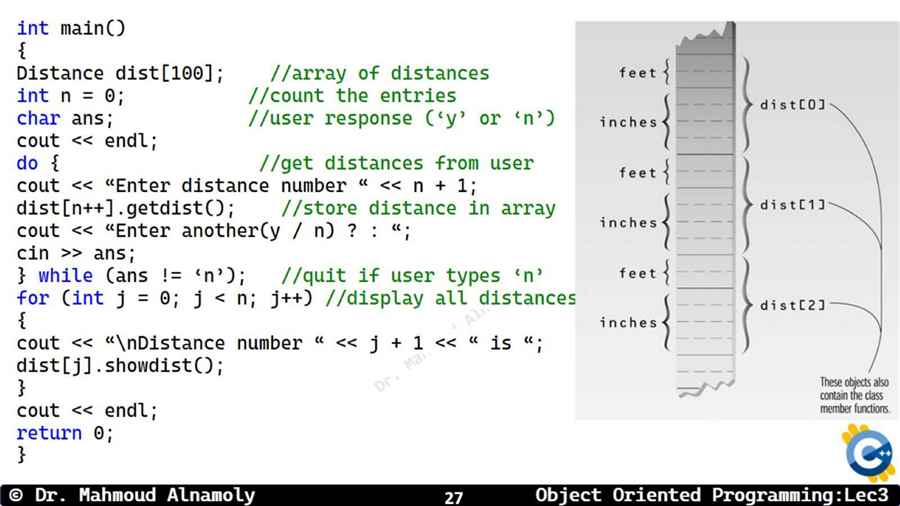
Slide 19: مصفوفة الكائنات (Array of Objects)
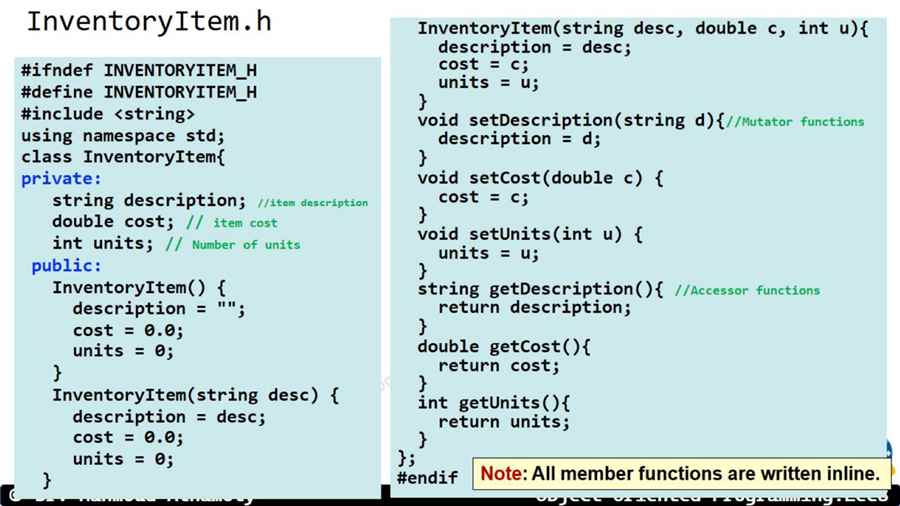
Slide 20: كود مصفوفة الكائنات (Array of Objects Syntax)
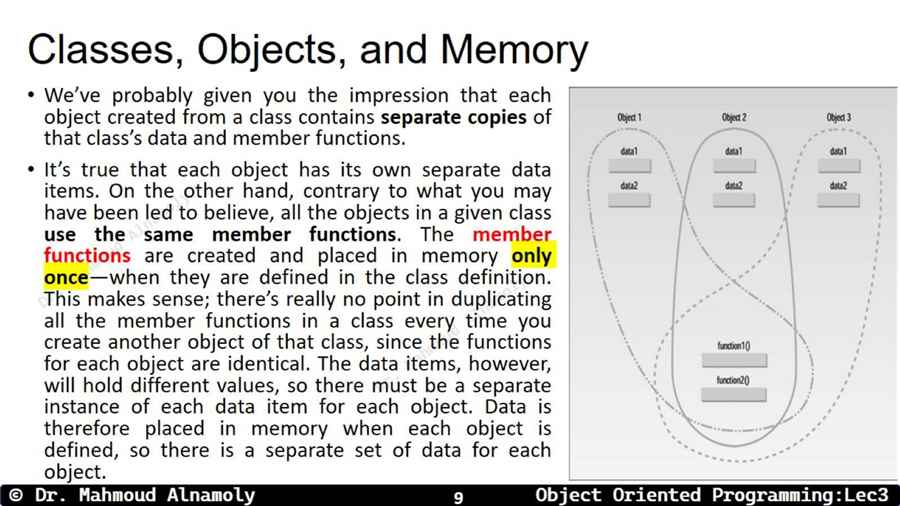
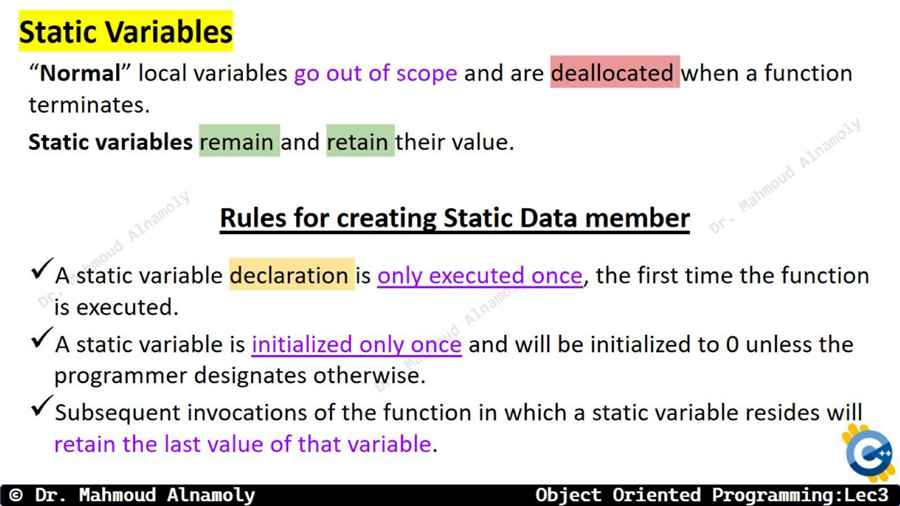
Slide 23: الأعضاء الثابتة (Static Class Members)
Slide 24: كود واستخدام الـ Static Member
Slide 27: الدوال الثابتة (Static Member Functions)
Final Quiz: Static Members & Arrays
1. When you define an array of objects like `Student classA[50];`, which constructor is automatically called for each of the 50 elements?
2. Which of the following is a strict rule regarding `static` member functions in a class?
الملخص الشامل لأهم التريكات (Summary & Pro Tips)
- Pass by Value: الدالة بتاخد نسخة (Copy) من الـ Object. الـ Copy Constructor بيشتغل أوتوماتيك. أي تعديل مبيأثرش على الأصل. بس بتستهلك ميموري.
- Pass by Reference (
&): الدالة بتشتغل على الـ Object الأصلي مباشرة. مفيش نسخ ولا Copy Constructor. أسرع وأوفر في الذاكرة. - الوصفة السحرية:
const ClassName &obj← دي أفضل طريقة في البرمجة المتقدمة. بتوفر الميموري (Reference) وبتحمي الداتا (const = Read-only). - Return Object: الدالة ممكن ترجع Object كامل لو غيرنا الـ Return Type من
voidلاسم الكلاس. بنعمل Object مؤقت (temp) جوه الدالة ونرجعه بـreturn. - Array of Objects:
Student arr[100];بيشغل الـ Default Constructor 100 مرة! وبنوصل لكل عنصر بالـ Index:arr[i].function(). - Static Data Member: نسخة واحدة مشتركة بين كل الـ Objects. لازم يتعرف (Initialize) بره الكلاس!
int ClassName::count = 0; - Static Function: مبتحتاجش Object عشان تنادي عليها (
ClassName::func()). ومبتشوفش غير الـ Static Variables بس.
سؤال مقالي متوقع للامتحان (Essay Question)
Question: Compare between "Pass by Value" and "Pass by Reference" when passing objects to functions in C++. Discuss the role of the Copy Constructor in each case, the impact on memory, and when to use `const` with references. Also, explain how `static` data members differ from regular data members.
🖥️ What is the output of the following code?
Q1:
Q2:
✍️ Write a line of code for the following statements
Q1: Declare a static data member called totalStudents of type int inside a class, then initialize it to 0 outside the class.
Q2: Write a function that takes an object of class Student by const reference and prints its name.
Q3: Create an array of 5 Student objects.
🔍 Based on the following code, answer all the following questions
a) What is the output?
b) Is n2 passed by value or by reference? What's the difference?